Before renting out a dumpster, it's important to think about numerous essential elements to assure a smooth and cost-effective experience. Figuring out the right dumpster size and weight capacity is fundamental to stay clear of extra fees and environmental influence. Recognizing allowed products and banned items, along with obtaining necessary licenses and licenses, is crucial to comply with policies. Logistical factors to consider, such as delivery and pickup schedules, should also be very carefully intended. In addition, calculating the total rental cost, avoiding hidden fees, and assessing insurance coverage and liability insurance coverage are necessary to remain within budget. By knowing these crucial aspects, you'll be well-prepared to tackle your project with confidence, and there's more to discover to make certain a convenient experience.
Determining the Right Dumpster Size
When taking on a cleaning or remodelling task, obtaining the best dumpster size is vital to ensure efficient waste management and cost-effectiveness. A dumpster that is too small will certainly lead to multiple trips to the landfill, boosting expenses and project duration.
On the other hand, a dumpster that is also big will result in wasted space and unnecessary expenses
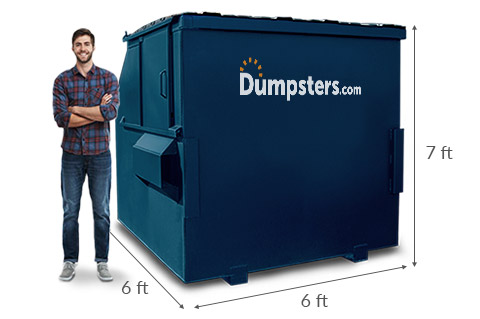
To identify the best dumpster size, think about the range of your project and the sort of materials you will certainly be taking care of. Procedure the location where the dumpster will certainly be positioned to ascertain it fits comfortably.
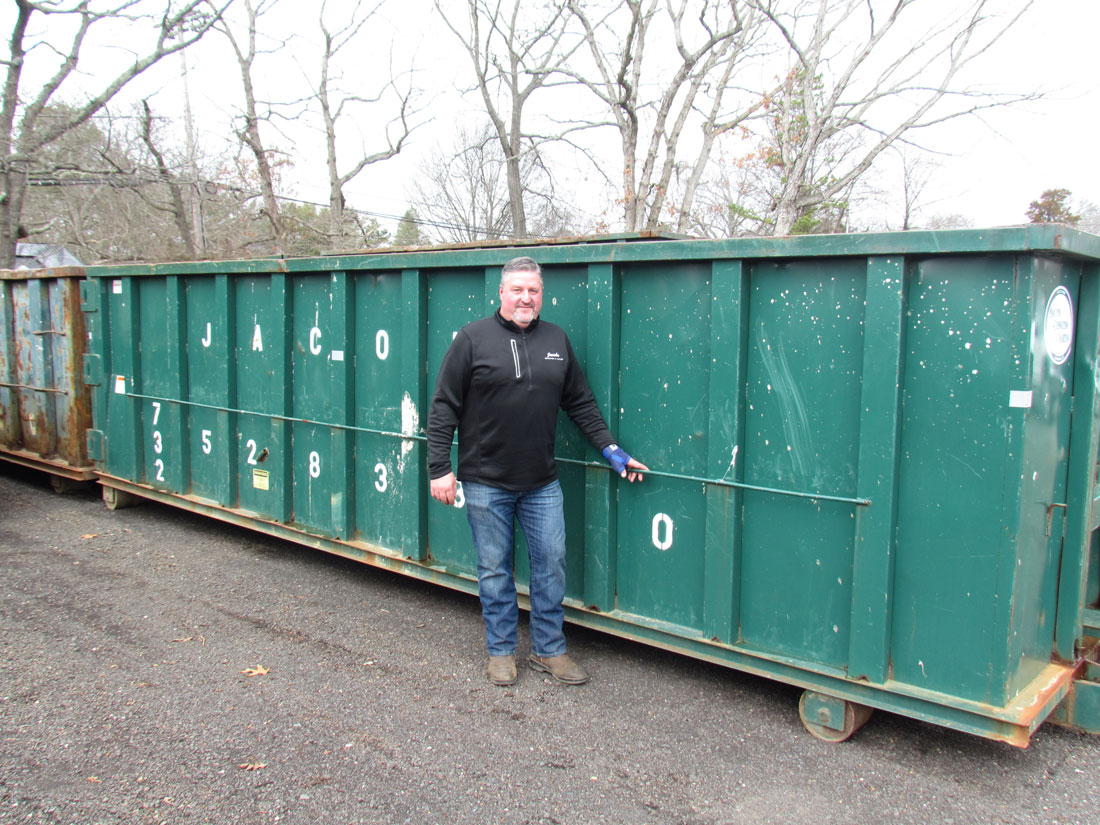
Common dumpster dimensions range from 10 to 40 backyards, with 20-yard dumpsters being a preferred selection for most projects.
Renting a dumpster that is the right size for your task will streamline waste removal, lower costs, and lessen environmental impact.
Understanding Weight Ability Limits
Having determined the optimal dumpster size for your project, it's just as crucial to consider the weight ability limits of the dumpster to guarantee that you can successfully get rid of your waste.
Weight capability limitations differ amongst dumpster rental companies, so it's vital to understand the certain limits for your dumpster. Exceeding the weight capacity can result in additional fees, penalties, or even refusal to approve the dumpster for disposal.

Typically, dumpster weight restrictions range from 1-10 tons, relying on the size and sort of dumpster. It's vital to estimate the weight of your waste precisely to stay clear of any issues.
To do this, consider the density of the materials you'll be dealing with. For instance, heavy building materials like concrete or asphalt will consider greater than lighter materials like drywall or roof shingles.
Understanding the weight ability restrictions of your dumpster will aid you prepare your waste disposal strategy properly, guaranteeing a smooth and easy experience.
Always get in touch with your dumpster rental company for their particular weight ability limits and standards to stay clear of any surprises.
Allowed Materials and Prohibited Items
Alongside weight ability limits, understanding what materials are allowed in a dumpster is vital to guarantee a seamless waste disposal experience.
This knowledge assists prevent contamination, decreases the threat of additional fees, and ensures that waste is gotten rid of in an environmentally responsible manner.
When it pertains to enabled products, you can typically throw away:
Construction debris: consisting of concrete, asphalt, brick, and roof covering materials Household waste: such as furnishings, devices, and general trash Yard waste: like branches, leaves, and various other organic materialsIt's crucial to keep in mind that specific things are purely restricted from being positioned in dumpsters, consisting of unsafe products, electronics, and big appliances.
Be sure to consult your rental company for specific standards on what can and can not be gotten rid of in their dumpsters.
Delivery and Pickup Logistics
Scheduling logistics plays a crucial duty in guaranteeing a seamless dumpster rental experience, as it directly influences the effectiveness of your task timeline. When scheduling dumpster delivery and pickup, it's important to consider the timing and placement of the dumpster to avoid hold-ups or disruptions.
Be certain to schedule the delivery each time when the dumpster can be securely and conveniently placed on your residential or commercial property, thinking about any kind of potential obstacles or restrictions.
Additionally, it's important to make certain that the dumpster is put in an easily easily accessible location to promote effective packing and minimize labor costs
Think about the proximity to your work area, along with any kind of potential website traffic or pedestrian flow that may be affected by the dumpster's presence.
By meticulously intending the logistics of dumpster distribution and pick-up, you can decrease downtime and keep your job on track
Obtaining Necessary Licenses and Licenses
Once the logistics of dumpster delivery and pick-up are in place, focus can change to validating that all required authorizations and licenses are obtained to prevent prospective interruptions to the job timeline.
This step is essential, as failure to comply with neighborhood laws can lead to fines, fines, or even project delays.
To warranty a smooth and easy experience, it's vital to acquire the adhering to licenses and licenses:
Local structure permits: Confirm with your city government if an authorization is needed to place a dumpster on your residential or commercial property or in the street.
Street use permits: If the dumpster will be positioned in a public right-of-way, such as a road or alley, a road use permit might be necessary.
Environmental permits: Relying on the type and quantity of waste being thrown away, ecological licenses might be called for to validate conformity with regional and national regulations.
Insurance and Liability Coverage
A significant aspect of renting a dumpster is ensuring ample insurance and obligation coverage to safeguard yourself and your service from unforeseen events This security is necessary in instance a mishap happens during the rental period, such as damages to property or injury to people. Without enough coverage, you might be held accountable for problems, which can result in monetary losses and lawful issues.
Typically, dumpster rental companies offer basic liability insurance that covers damages to their equipment and home. Nonetheless, this protection might not reach your residential or commercial property or third-party damages. It is necessary to assess the rental agreement to comprehend the range of protection and identify any gaps.
Consider buying additional insurance coverage coverage to fill up these voids and assure thorough defense. When reviewing insurance coverage alternatives, inquire about the sorts of protection supplied, plan limitations, and deductibles.
Also, ask about the procedure for filing claims and the feedback time in case of an occurrence. By understanding your insurance and responsibility protection, you can rent a dumpster with confidence, recognizing you are secured from unexpected events
Calculating the Total Rental Cost
The total price of leasing a dumpster involves more than just the base rental fee, and it's vital to compute all the linked expenses to stay clear of shock expenses.
Understanding the complete rental expense assists you prepare your budget and warranties you're not captured off-guard by additional charges.
When computing the total rental price, think about the following:
Rental Period: The longer you rent out the dumpster, the greater the expense. Make certain to make clear the rental duration with your supplier to prevent extra day-to-day fees.
Dumpster Dimension and Type: Larger dumpsters and specialty dumpsters (e.g., for unsafe materials) usually cost greater than smaller, standard dumpsters.
Delivery and Pickup Fees: Some carriers might charge extra for shipment and pickup solutions, so factor these costs right into your overall calculation.
Avoiding Hidden Costs and Charges
Hidden fees and fees can quickly intensify the total expense of leasing a dumpster, transforming what appeared like an affordable option right into an economic burden.
To avoid these unanticipated expenditures, it's essential to thoroughly review the rental agreement before signing. Look for any additional fees associated with shipment, pickup, or disposal, and clarify what is included in the quoted price.
Some dumpster rental business may bill additional for gas additional charges, overweight fees, or expanded rental periods. Make sure to inquire http://piedmonttriaddumpsters.theglensecret.com/7-crucial-actions-for-dumpster-rental-and-garbage-disposal about any prospective penalties for going beyond weight restrictions or stopping working to adhere to certain guidelines.
Additionally, examine if the business supplies any kind of discounts or promotions that can help in reducing the total cost.
By understanding these prospective hidden fees, you can better prepare your spending plan and avoid any kind of shocks when the final bill arrives.
Scheduling and Timing Considerations
Frequently, dumpster rental projects are time-sensitive, and scheduling can make or damage the success of the undertaking.
Confirming that the dumpster gets here and is gotten rid of quickly is important to staying on track and staying clear of costly delays.
When scheduling a dumpster service, consider the adhering to essential timing considerations:
Delivery and Pick-up Windows: Verify the distribution and pickup home windows with your rental company to verify they align with your job timeline.
Project Duration: Properly estimate the period of your task to prevent keeping the dumpster longer than required, which can cause extra fees.
Holiday and Weekend break Scheduling: Know that dumpster rental business might have limited hours or schedule during holidays and weekends, which can affect your project schedule.