Accurate estimate of waste volume is necessary in figuring out the best dumpster rental size, as it straight affects the performance and cost-effectiveness of your waste disposal process Consider the type and quantity of products, project duration, and factors like weight, thickness, and empty space in the dumpster. Usual dumpster dimensions range from 10 to 40 lawns, with each fit for particular task types. By reviewing your waste outcome, room constraints, weight capacity, and debris type, you can select the right size to optimize waste disposal and lower expenses. Continue to refine your computation for an ideal fit.
Determining Your Waste Quantity Needs
A substantial part of the dumpster rental process includes precisely establishing your waste volume needs, as this directly influences the dimension of the dumpster you'll require.
To make a notified choice, it's vital to estimate the amount of waste your project will certainly create. Think about the type and quantity of materials you'll be disposing of, such as construction debris, home garbage, or backyard waste. Additionally, consider the period of your task and exactly how often the dumpster will certainly require to be emptied.
When computing your waste quantity, consider the list below aspects: the weight and density of the materials, the size of the things being gotten rid of, and the empty space within the dumpster.
It's likewise crucial to account for any kind of unexpected waste that might develop during the task. By making the effort to properly estimate your waste quantity requires, you'll be able to pick the right dumpster size for your project, ensuring efficient waste removal and lessening the danger of costly overflows or poor capacity.
Understanding Dumpster Size Options
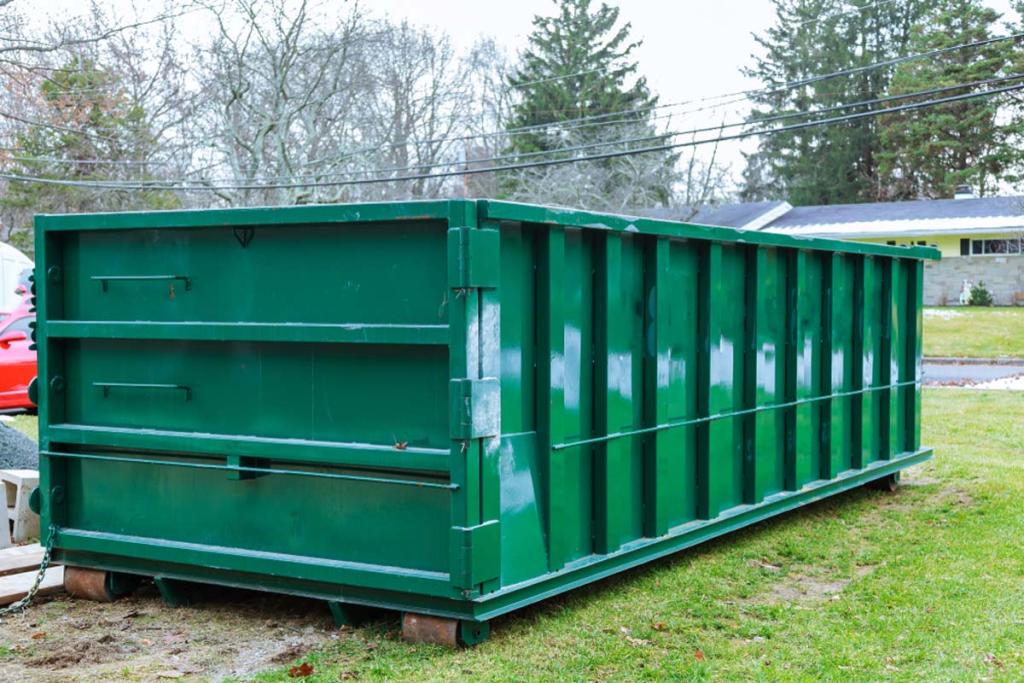
Several dumpster size options are offered to suit different job requirements, ranging from small, small dumpsters to large, industrial-sized containers This variety assures that you can discover the ideal suitable for your particular needs, whether you're dealing with a small remodelling or a massive construction project.
Dumpster sizes are usually measured in cubic yards, with typical sizes consisting of 10, 15, 20, 30, and 40-yard dumpsters. A 10-yard dumpster, as an example, is optimal for small tasks such as restroom remodels or small cleanouts, holding roughly 3-4 pickup truck lots of debris.
On the other hand, a 40-yard dumpster is much better suited for large projects like industrial building and construction or major demolition job, holding around 12-16 pickup lots of waste.
Understanding the different dumpster dimension alternatives is essential to guaranteeing you have the ideal equipment for your task. By picking the correct dimension, you can optimize waste disposal efficiency, lower prices, and reduce environmental impact.
Factors Influencing Dumpster Rental Size
Determining the ideal dumpster rental size for a project entails greater than simply assessing the physical area available; it also calls for reviewing different factors that influence waste generation and disposal.
One crucial aspect is the type of waste being created. As an example, building and construction tasks commonly create heavy, dense products like concrete and asphalt, which call for larger dumpsters. On the various other hand, household cleanups or lawn waste elimination may involve lighter, bulkier materials that can be fit by smaller dumpsters.
Another aspect to think about is the period of the job. Longer tasks have a tendency to create even more waste, requiring larger dumpsters or even more constant pickups.
Additionally, the number of workers https://penzu.com/p/632a0aae7c998d30 on website and their degree of know-how can additionally affect waste generation rates Tasks with even more workers or those needing specialized skills might produce more waste due to increased task and potential errors.
Calculating Your Job's Waste Output
How much waste will your project eventually create? This is a necessary question to respond to when determining the best dumpster rental size
Calculating your project's waste output involves considering the kind and quantity of products you'll be disposing of. For construction projects, this may include particles from demolition, excavation, or improvement, such as concrete, drywall, or roof materials. For household cleanouts, it could be furnishings, appliances, or general trash.
To estimate your waste outcome, begin by identifying the specific products you'll be throwing away and their approximate quantities You can then investigate the ordinary weight or volume of each material to obtain a far better feeling of the overall amount of waste you'll be generating.

For instance, a regular refrigerator may consider around 200 extra pounds, while a cubic backyard of concrete can evaluate as much as 4,000 extra pounds. By tallying up the total weight or volume of your waste, you'll be much better equipped to pick the right dumpster size for your project.
Choosing the Right Dumpster Size
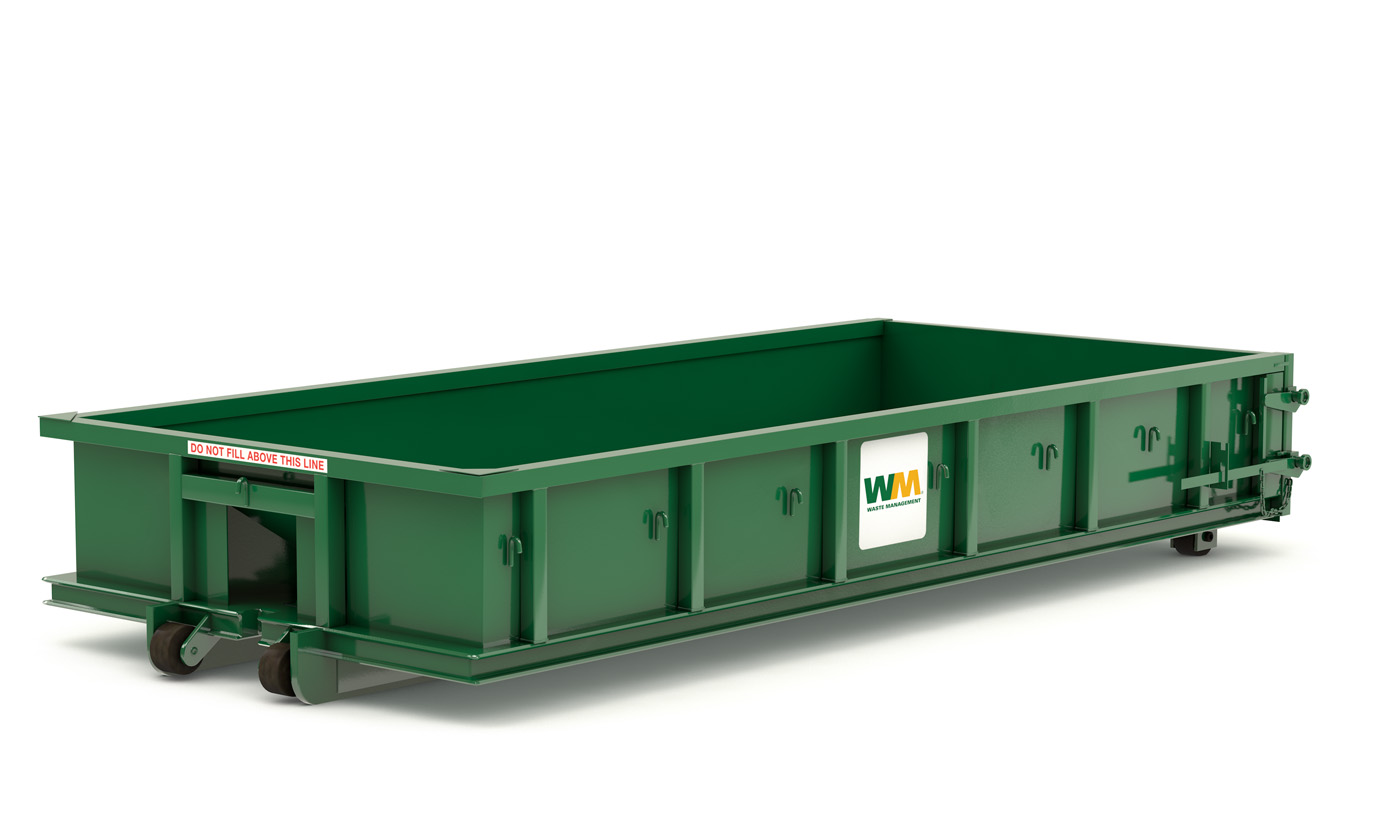
With a clear understanding of your task's waste output, you can now focus on selecting the suitable dumpster rental size to fit your requirements. One of the most usual dumpster dimensions range from 10 to 40 lawns, each fit for particular project kinds and waste volumes.
For small-scale projects like bathroom remodels or small cleanouts, 10-15 backyard dumpsters are ideal. They hold approximately 2-4 lots of particles and are portable enough for property driveways.
Medium-sized jobs, such as kitchen remodels or deck eliminations, need 20-25 yard dumpsters, which hold about 4-6 lots of waste.
Larger projects like building and construction websites, business remodellings, or whole-house cleanouts demand 30-40 lawn dumpsters, capable of holding 8-12 tons of debris.
When in doubt, it's much better to err on the side of caution and choose a larger dumpster size to avoid additional rental fees or bothersome mid-project swaps.
Additional Considerations for Rental Size
In tandem with the project's waste volume, a number of other factors influence the excellent dumpster rental size.
These variables can considerably impact the effectiveness and cost-effectiveness of your project.
Additional variables to think about:
Space constraints: Validate the dumpster can fit in the marked area, considering overhanging clearance, surrounding barriers, and accessibility for loading and unloading.
Weight capacity: Calculate the approximated weight of the waste to be gotten rid of, as going beyond the dumpster's weight limitation can result in added fees or perhaps damages to the equipment.
Debris type and density: Different materials have varying densities, affecting the dumpster's capacity.
For circumstances, dense materials like concrete or bricks require bigger dumpsters than lighter materials like drywall or roof covering shingles.