When it involves efficiently handling waste and debris on a building and construction or restoration job, renting out the right dumpster can be a game-changer. To guarantee a smooth and economical waste management process, establish your task's specific needs by assessing the range, products, and waste types. Choose the best dumpster size to match your project requirements, and comprehend the rental duration options to fit your project timeline. Study regional policies, plan for delivery and positioning, and lots the dumpster successfully to maximize room. By following these crucial tips, you'll be well on your method to a successful waste monitoring strategy that fulfills your task's unique requirements, and discovering these topics even more will certainly expose a lot more insights to optimize your task's efficiency.
Determine Your Dumpster Needs
When undertaking a task that produces a significant quantity of waste, establishing your dumpster needs is an important primary step. This includes evaluating the kind and quantity of waste you expect to create, in addition to the duration of the job. Stopping working to precisely identify your dumpster requires can result in inefficient waste management, causing unnecessary costs and environmental harm
To establish your dumpster needs, take into consideration the extent of your task, consisting of the products being made use of, the number of employees included, and any type of neighborhood regulations governing waste disposal
You should additionally think about the readily available area on-site for dumpster placement and the regularity of waste collection. By taking these elements into account, you can guarantee that you rent the ideal dumpster for your task, enhancing your waste monitoring process and decreasing ecological impact.
Choose the Right Dumpster Size
When picking a dumpster size, take into consideration the kind and amount of waste you'll be generating.
Overestimating your waste volume can cause unnecessary prices, while undervaluing might cause added fees for additional pick-ups or bigger dumpsters.
Carefully examine your job's needs to pick the right dumpster dimension and ensure a smooth waste management process
Understand Rental Duration Options
Project timelines can be unforeseeable, and waste elimination needs frequently fluctuate appropriately. Consequently, recognizing rental period options is important to ensure you have the dumpster for as long as you need it. Typically, dumpster leasing periods range from a few days to several weeks or perhaps months.
When selecting a rental duration, think about the extent and period of your job. If you're embarking on a minor renovation, a shorter rental period could be adequate. Conversely, larger projects may need a longer rental period to suit the volume of waste generated.
Be aware that the majority of dumpster rental companies supply flexible rental periods, enabling you to adjust the period as needed. It's important to review your specific needs with the rental firm to determine the most suitable rental period for your project.
Be prepared to give details concerning your project timeline, waste generation prices, and any type of potential changes to your routine. By doing so, you'll assure you have the appropriate dumpster for the right amount of time, lessening prices and maximizing efficiency.
Plan for Delivery and Placement
One necessary aspect of dumpster rental usually overlooked is the logistics of delivery and placement.
It's essential to plan in advance to ensure a smooth and reliable process. Prior to the dumpster arrives, recognize a suitable location on your property that is easily accessible for the delivery truck and allows for hassle-free packing and dumping of waste.
Consider the dimension of the dumpster and the room required for it to fit comfortably. Additionally, clear the area of any type of obstacles, such as parked automobiles or overhanging branches, to stop damage or obstruction.
It's likewise crucial to assign a specific area for the dumpster to avoid confusion or misplacement. By planning for shipment and placement, you can avoid potential issues and ensure a successful dumpster rental experience.
Moreover, some dumpster rental business may have certain needs or limitations for delivery and positioning, so make sure to evaluate their plans in advance to stay clear of any kind of surprises.
Research Local Regulations
A successful dumpster rental experience counts not just on logistical planning however additionally conformity with local regulations Comprehending what is permitted and restricted in your location is essential to avoiding pricey fines and assuring a smooth rental process.
Researching local guidelines can assist you figure out the sort of waste that can be disposed of in the dumpster, any type of specific needs for arranging or separating recyclables, and any sound or time limitations for dumpster shipments and pickups.
Additionally, you may require to think about laws pertaining to obese or large dumpsters, as well as any type of special allows required for certain types of waste.
By putting in the time to research regional laws, you can ensure that your dumpster rental experience is not just efficient but additionally compliant with regional regulations and ordinances.
This aggressive method will give you satisfaction and help you prevent potential challenges that might disrupt your project timeline
Obtain Necessary Permits
While looking into regional guidelines is vital, it's equally vital to obtain required authorizations to assure a smooth dumpster rental experience.
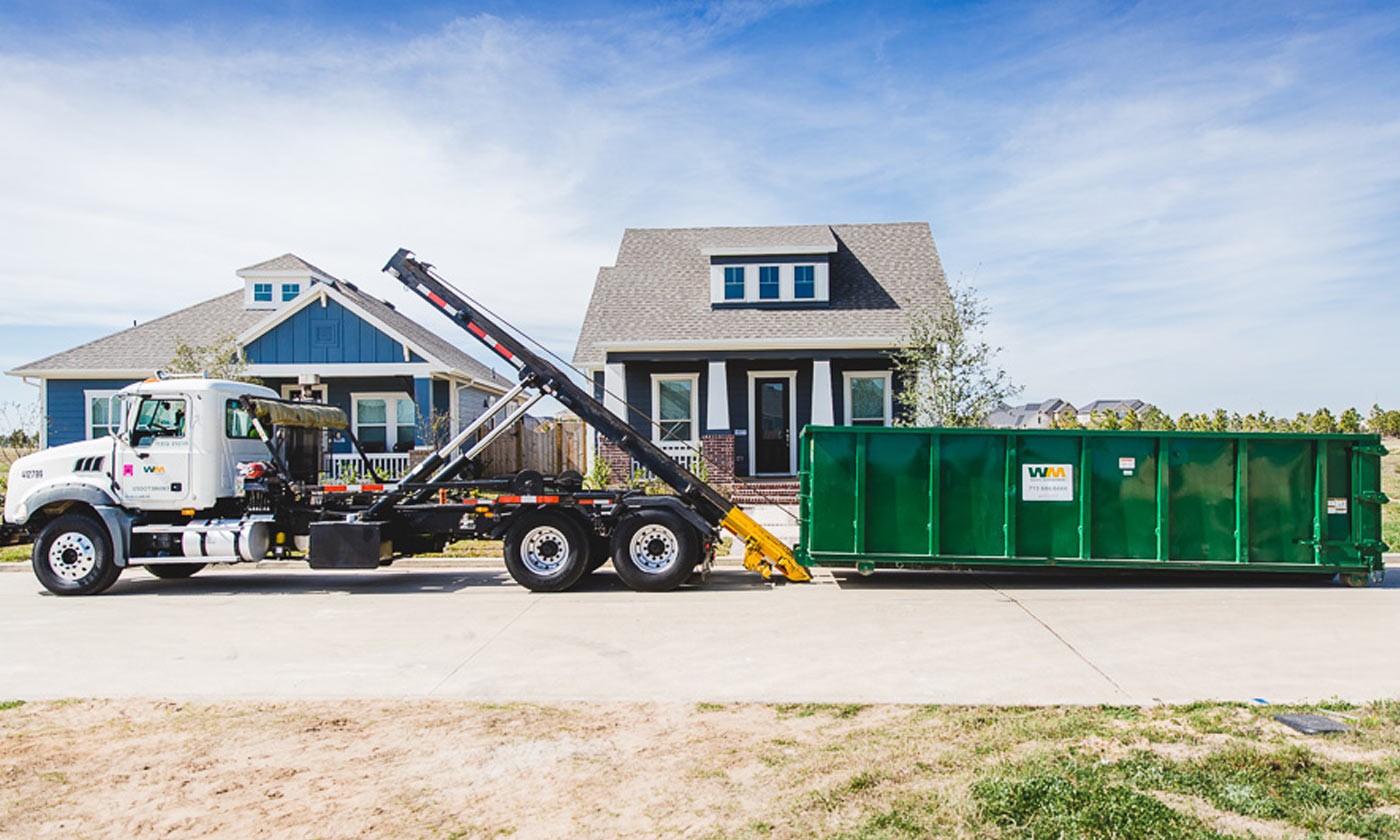
Failure to do so can result in penalties, fines, and even task delays. To stay clear of these problems, it's important to recognize what licenses are needed for your specific project.
Here are the key allows to keep in mind:
Building permits: These permits are required for building, demolition, or improvement jobs that include architectural adjustments to a residential property. See to it you have the necessary licenses prior to placing a dumpster on site.
Zoning permits: Zoning permits control land usage and verify that your job abides by neighborhood zoning legislations. These permits may be required for jobs that entail big equipment or dumpsters.
Street permits: If you intend to place a dumpster on a public street or sidewalk, you'll need a street authorization. This authorization ensures that the dumpster doesn't obstruct pedestrian or automotive traffic.
Load the Dumpster Efficiently
With the permits in place, it's time to focus on loading the dumpster efficiently to maximize its capacity and minimize costs An efficient dumpster tons can http://piedmont-triad-dumpsters.trexgame.net/renting-a-dumpster-in-10-actions significantly minimize the variety of journeys needed, saving you time and money.
Start by breaking down large products, such as furniture or devices, right into smaller sized pieces to maximize the offered space. Place heavy items, like concrete or bricks, at the end of the dumpster to create a secure base.
Next, lots large things, like cushions or sofas, alongside the dumpster, leaving room in the facility for smaller things. Fill in any kind of gaps with smaller sized products, like boxes or bags, to minimize empty space.
Keep the dumpster's weight evenly distributed to avoid it from becoming also heavy on one side. By complying with these basic loading approaches, you can take advantage of your dumpster leasing and streamline your waste removal process.
Manage Heavy Particles Correctly
Heavy debris, such as concrete, blocks, and asphalt, can be especially testing to handle during a dumpster rental.
These thick materials can promptly exceed the weight ability of your dumpster, resulting in additional charges or even dumpster refusal. To stay clear of these concerns, it's important to manage hefty particles correctly.
Segregate heavy debris: Maintain hefty debris separate from lighter products to ensure accurate weight computations and avoid contamination.This will also aid you optimize your dumpster area and lower the risk of obese fines.
Use the right dumpster size: Select a dumpster dimension that can suit the weight and volume of your hefty debris.Be certain to check the weight ability and dimensions of the dumpster prior to ordering.
Load heavy particles strategically: Lots heavy particles into the dumpster in a way that distributes the weight uniformly, reducing the danger of damages or tipping.This will additionally make it less complicated to transport the dumpster safely.
Keep the Site Tidy and Safe
A clean and secure work site is essential for an effective dumpster rental experience. This assures a smooth workflow, reduces mishaps, and advertises a positive working environment.
To accomplish this, assign a details location for the dumpster and keep it far from pedestrian paths and vehicles. Identify the dumpster is conveniently obtainable and visible to all site personnel.
Regularly clean up debris and waste around the dumpster to avoid tripping hazards and pest infestations Carry out a "clean as you go" plan to keep a clean website and minimize the risk of accidents.
Additionally, supply adequate lighting and signage to advise of possible dangers, especially in the evening or in low-visibility areas.
Review and Understand Pricing
Understanding the rates structure of your dumpster rental is vital to preventing unanticipated prices and making sure a successful project.
It's vital to assess and understand the prices terms to avoid any shocks down the line.
When reviewing the rates, think about the complying with vital elements:

Rental period: How much time do you require the dumpster, and what are the linked prices? Make sure to inquire about any discounts for longer rental periods.
Weight and volume limits: What are the weight and quantity restrictions of the dumpster, and what are the extra fees for exceeding these limits?
Delivery and pick-up fees: Are there any type of extra fees for distribution, pick-up, or gas surcharges?