Dumpster rentals provide a convenient and efficient way to manage waste disposal for numerous projects, ranging from small-scale household cleanouts to massive business building undertakings. With various kinds of dumpsters offered, including property, industrial, temporary, lasting, and specialty dumpsters, it's essential to select the appropriate dimension and kind for your project. Factors such as project scope, weight capability, and rental duration likewise affect the rental process. By recognizing what can and can not go in a dumpster, prohibited items, and average costs, you can effectively prepare and manage your waste disposal requires, and by discovering even more, find more pointers and understandings to maximize your dumpster rental experience.
Types of Dumpsters Available
From construction sites to yard cleanings, dumpsters can be found in a selection of dimensions and types to accommodate diverse waste management needs
The two key categories of dumpsters are residential and commercial, each dealing with unique demands. Residential dumpsters are perfect for small-scale projects, such as home renovations, landscaping, and debris elimination. They typically vary from 10 to 30 cubic yards in dimension and are designed for short-term rentals
Commercial dumpsters, on the various other hand, are matched for large-scale projects, building and construction websites, and industrial applications. They often are available in bigger dimensions, as much as 40 cubic backyards, and are made for long-term rentals
Additionally, specialized dumpsters, such as roll-off dumpsters and compactors, are readily available for specific waste management requires, like hefty building particles or recyclable materials.
Understanding the various types of dumpsters offered is essential for picking the right one for your project, ensuring reliable and affordable waste management.
Choosing the Right Dumpster Size
Selecting the ideal dumpster size is necessary to determine efficient waste management and protect against unnecessary costs A dumpster that is as well tiny might result in numerous journeys to the landfill, resulting in raised expenses and environmental impact.
On the various other hand, a dumpster that is as well big might inhabit unneeded area and lead to lost resources.
When choosing a dumpster size, examine the extent of your project and the kind of products you will be dealing with. For small-scale projects, such as cleaning out a solitary room or remodeling a small cooking area, a 10- or 15-yard dumpster may be sufficient.
For larger projects, such as construction or demolition, a 20- or 30-yard dumpster may be required.
It's additionally important to assess the weight capacity of the dumpster, as excess weight can lead to added fees. Be sure to speak with your dumpster rental provider to establish the excellent size and weight ability for your details needs.
Dumpster Rental Duration Options
Rental durations usually vary from a couple of days to several weeks or perhaps months.
Short-term services are suitable for small jobs, such as clearing out a single room or finishing a minor renovation.
Longer-term rentals are better suited for larger projects, like construction or demolition.
Some rental business offer adaptable rental periods, enabling customers to adjust the period of their leasing as needed.
Understanding the variables that influence the rental duration and selecting the right choice can aid ensure an effective and trouble-free project.
What Can Enter a Dumpster
When intending a waste administration strategy for a project, it's crucial to comprehend what materials can be placed in a dumpster. This expertise aids ensure a smooth and efficient process, saving time and resources.
Most dumpsters can accommodate a vast array of materials, including household waste, construction debris, and yard trimmings. This consists of products like drywall, roof covering materials, floor covering, and lumber from building and construction or remodelling projects.
Additionally, dumpsters can be used for general cleanup and company tasks, accepting products like old furniture, home appliances, and boxes. Yard waste like branches, leaves, and grass clippings can likewise be thrown away in dumpsters.
Moreover, some dumpsters may appropriate for larger materials like concrete, asphalt, and dust, depending on the rental firm's specifications It's crucial to get in touch with the rental provider for their particular guidelines on appropriate materials to ensure a successful and convenient waste monitoring experience.
Prohibited Things and Materials
Concrete obstacles exist to prevent hazardous materials from contaminating landfills and compromising environmental security. When it concerns dumpster rentals, recognizing what can't be discarded is just as vital as recognizing what can be gotten rid of. Prohibited items and products are purely regulated to protect the setting, human wellness, and land fill infrastructure.
Among the prohibited items are hazardous waste, consisting of batteries, electronic devices, fluorescent light bulbs, and various other toxic products. Furthermore, liquids, chemicals, and gas are not allowed in dumpsters, as they can contaminate dirt and groundwater.
Certain building materials, such as asbestos, lead-based paint, and contaminated soil, are also https://671e0bb5be2ef.site123.me strictly forbidden. Other things that can not be disposed of in dumpsters consist of tires, appliances, and huge machinery.
It's crucial to get in touch with local authorities and dumpster rental companies for particular guidelines on restricted items and materials. By adhering to these policies, we can guarantee a more secure, more sustainable environment for future generations.
Dumpster Rental Prices Factors
Determining the cost of a dumpster rental involves evaluating several key factors, which can substantially affect the overall cost of the project.
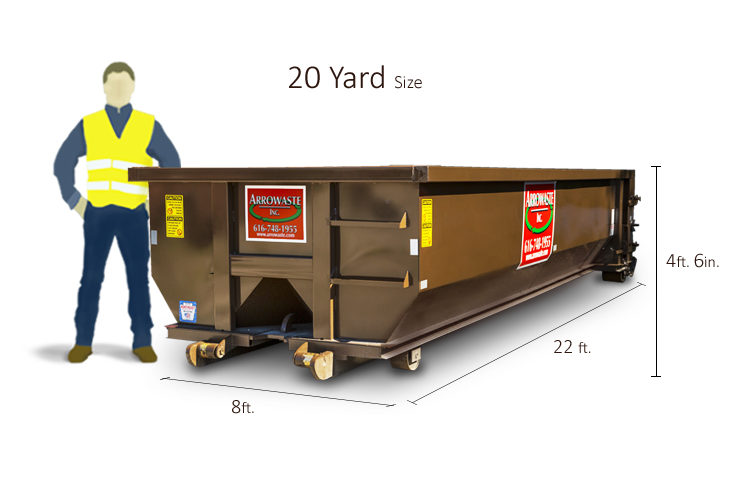
One of the key factors is the dumpster size, as bigger dumpsters require even more materials and labor to transportation and get rid of waste. The weight and type of debris being disposed of additionally play a considerable duty in pricing, as heavier or harmful products may call for special delivery and disposal procedures.
Rental period is another vital aspect, as longer service durations generally cause greater expenses. In addition, the location of the rental can influence rates, with urban locations often having higher costs than backwoods because of raised transportation expenses and local regulations.
Finally, the kind of dumpster rental service, such as property or industrial, can impact pricing, as business rentals typically call for more tools and labor.
Average Dumpster Rental Costs
With a clear understanding of the variables influencing dumpster rental pricing, it's vital to examine the average costs connected with these services.
Dumpster leasing expenses differ relying on the place, dumpster size, rental duration, and type of waste Typically, a 10-yard dumpster service can cost in between $200 and $400, while a 20-yard dumpster leasing can vary from $350 to $600. A 30-yard dumpster rental generally expenses in between $450 and $700, and a 40-yard dumpster service can vary from $600 to $900.
Keep in mind that these prices are just estimates, and actual expenses might differ depending upon your specific requirements and location.
Additionally, some dumpster rental companies may bill extra fees for solutions like distribution, pick-up, and disposal. It's important to factor these costs into your total budget plan to guarantee you're getting the most effective worth for your money.
Be certain to research and contrast costs from various suppliers to locate the most cost-effective solution for your project.
Dumpster Shipment and Pick-up Process
After securing a dumpster rental, the next essential step is to schedule the delivery and pickup of the dumpster, a procedure that requires careful control to ensure a seamless experience.
This entails defining a convenient delivery time and location, ensuring the dumpster is put in an accessible area that does not block web traffic or pedestrian pathways. It is essential to confirm the dumpster's size and kind with the rental company to ensure it suits the assigned space.
On the arranged delivery date, the dumpster will certainly be left at the agreed-upon place, and the rental period will commence. During this time, you can fill the dumpster with waste and particles, sticking to the rental business's standards and weight limits
When the rental duration ends, the dumpster will certainly be gotten, and the waste will be dealt with sensibly. To stay clear of additional charges, it is crucial to keep the dumpster on-site for the agreed-upon duration and ensure it is ready for pickup at the scheduled time
Important Regulations to Know
Beyond the logistical factors of dumpster rentals lies a complex internet of regulations that need to be navigated to guarantee a compliant and hassle-free experience. Comprehending these laws is important to stay clear of fines, charges, and potential lawful issues.
One key policy to be conscious of is getting necessary permits Relying on the location and kind of task, allows might be needed from neighborhood authorities before positioning a dumpster on the property.
Additionally, there are weight and size restrictions to consider, as surpassing these restrictions can cause additional fees or perhaps dumpster denial. Various other important policies include sticking to sound ordinances, valuing neighborhood constraints, and validating dumpsters are securely secured to prevent accidents.
Moreover, certain products, such as hazardous waste, electronics, and batteries, are prohibited from being disposed of in dumpsters and should be dealt with separately.
Tips for Filling Your Dumpster
Optimize your dumpster rental experience by filling up the dumpster effectively and securely. A well-filled dumpster not just saves you time and money but also assures an easy rental experience.
To load your dumpster efficiently, adhere to these suggestions:
- Load heavy items first: Area hefty items like building and construction debris, furniture, and home appliances at the bottom of the dumpster to create a steady base. Organize products by size: Organize things by dimension, with smaller things like boxes and bags in addition to bigger items to take full advantage of space. Leave room for simple access: Leave adequate space on top of the dumpster for simple accessibility when discarding items, and to avoid overflowing.