When it pertains to dumpster rental, being prepared is key to a smooth and cost-efficient waste elimination experience. Begin by choosing the right dumpster size, considering task extent, waste type, and available area to avoid unnecessary costs and logistical problems. Understand the total costs, including rental duration, dimension, weight of waste, distribution, and pickup, and recognize potential hidden fees Research study local laws and authorization needs, prepare your residential property for distribution, and understand what can and can not go in the dumpster. By adhering to these important tips, you'll be well on your method to a successful project, and there's even more to explore to ensure a hassle-free experience.
Choose the Right Dumpster Size
Choose the Right Dumpster Size
When it concerns dumpster rental, sizing up the task available is important to ensure a seamless waste management process Picking the best dumpster size is key to verify you have sufficient space to throw away your waste efficiently.
A dumpster that is as well little will bring about additional rental periods, resulting in raised prices and logistical inconveniences. On the other hand, a dumpster that is as well huge will bring about unnecessary expenses and occupy useful room on your property.
To determine the suitable dumpster size, consider the extent of your project, the kind of waste you'll be getting rid of, and the offered room on your building. Common dumpster dimensions range from 10 to 40 lawns, with 20-yard dumpsters being the most popular selection for domestic projects.
Be certain to speak with a dumpster rental professional to verify you get the best size for your particular demands. By choosing the right dumpster size, you'll stay clear of unneeded anxiety and ensure a smooth waste administration process
Understanding Dumpster Rental Costs
Now that you've safeguarded the appropriate dumpster size, it's time to concentrate on the financial elements of your waste monitoring job. Comprehending dumpster rental costs is vital to assure you stay within your budget plan and stay clear of any kind of shock fees.
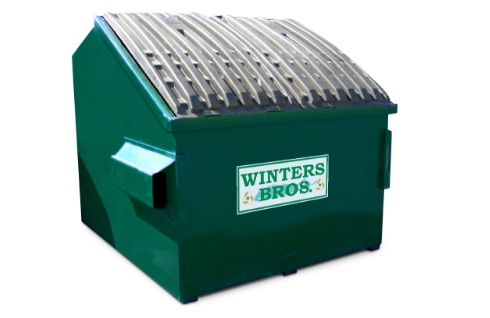
The overall expense of leasing a dumpster normally includes the rental period, dumpster size, weight of waste, and any type of added solutions such as shipment and pickup. Make sure to ask your company regarding any type of hidden fees, consisting of costs for exceeding the weight limit or maintaining the dumpster past the agreed-upon rental period.

It's vital to obtain a detailed quote from your company, breaking down each expense element. This will certainly assist you compare prices among various carriers and make a notified decision.
Additionally, take into consideration the expense of any kind of necessary permits or licenses, as these might add to your total expenditure. By understanding the dumpster rental costs ahead of time, you can intend appropriately and avoid any kind of economic shocks down the line.
Permit Needs and Regulations
What laws must you abide by to secure a smooth waste monitoring project? When leasing a dumpster, it's essential to understand the permit requirements and laws in your location. Failing to conform can lead to fines, penalties, or perhaps project delays.
Start by talking to your local government to figure out if you require a permit to position a dumpster on your property. Some districts require an authorization for dumpsters noticeable from the road or those going beyond a certain size.
Additionally, homeowner associations or community policies might likewise apply.
Be sure to ask your dumpster rental provider about any necessary permits or licenses. They may be able to lead you with the procedure or give added resources.
It's essential to verify you have all necessary permits prior to the dumpster is delivered to avoid any possible problems. By recognizing and complying with authorization demands and policies, you can focus on completing your task successfully and effectively.
Preparing Your Residential or commercial property for Delivery
Before the dumpster gets here, it's essential to prepare your property to guarantee a seamless shipment and placement procedure. Clear the marked area of any kind of obstacles, including lorries, playthings, and loose products, to make certain the dumpster can be safely placed with no hindrances.
If you're planning to place the dumpster on your lawn, think about setting plywood or a tarpaulin to protect the grass from damage.
Additionally, look for any kind of low-hanging branches or power lines that might interfere with the delivery procedure. Measure the width of your driveway or gateway to make sure the dumpster can fit through with no issues.
It's additionally necessary to mark a clear path for the delivery van to access the drop-off area. By taking these actions, you'll stay clear of any kind of prospective hold-ups or difficulties, assuring an easy shipment and configuration process.
What Can Enter a Dumpster
As you begin filling your dumpster, it's important to recognize what materials are acceptable for disposal, as improper items can cause additional fees, contamination, or even dumpster rejection.
Knowing what can enter a dumpster guarantees a smooth and efficient waste removal process
- Household items: Furniture, home appliances, and basic household garbage are all acceptable for disposal in a dumpster. Construction materials: Particles from remodelling or building and construction projects, such as drywall, roof covering materials, and lumber, can be disposed of in a dumpster. Yard waste: Leaves, branches, and other natural materials from landscaping or lawn maintenance can be put in a dumpster for disposal.
Remember to always comply with the standards given by your dumpster rental company and local authorities to ensure that you're throwing away waste correctly.
Prohibited Items and Materials
Many types of waste are prohibited from being disposed of in a dumpster, and it's vital to be aware of these products to avoid sustaining extra expenses, fines, or perhaps project delays.
Certain products are hazardous, poisonous, or flammable, and their disposal is controlled by local authorities As an example, batteries, electronic devices, and home appliances having mercury, lead, or other toxic substances can not be thrown away in a dumpster.
Similarly, liquids, gas, and chemicals are forbidden as a result of the danger of environmental contamination Furthermore, tires, asbestos, and clinical waste need special handling and disposal
It's important to consult your dumpster rental provider for a comprehensive list of prohibited items, as laws differ by area. By understanding what can not be taken care of in a dumpster, you can assure a smooth and compliant waste administration procedure for your project.
Effective Dumpster Placement Strategies
When planning a task that needs a dumpster service, tactically placing the dumpster on site is essential to guarantee a smooth and reliable waste monitoring process. This important decision can significantly impact the entire project, making sure that waste is managed safely, successfully, and in conformity with local regulations.
To achieve excellent dumpster positioning, take into consideration the following techniques:
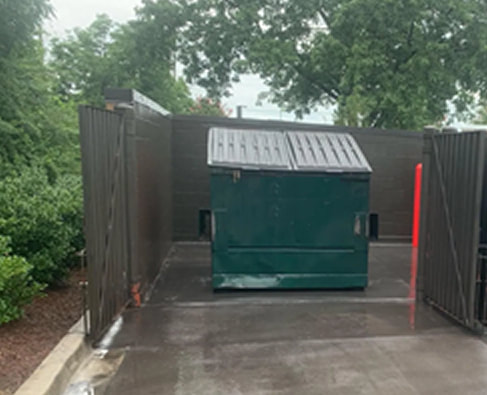
- Accessibility: Setting the dumpster in a quickly available location, enabling seamless loading and dumping of waste. This will minimize the risk of accidents and injuries. Visibility: Put the dumpster in a noticeable area, allowing task supervisors to check waste levels and timetable timely pickups or exchanges. Proximity: Situate the dumpster close to the waste generation resource, lessening traveling distances and advertising an extra effective workflow.
Filling and Filling the Dumpster
Proper dumpster https://anotepad.com/notes/fmwr3hj9 positioning establishes the phase for an effective job, yet it's just half the fight. The next vital action is filling and loading the dumpster efficiently. A well-loaded dumpster warranties you get the most out of your rental, decreases the risk of overloading, and prevents unnecessary costs.
To fill up the dumpster efficiently, begin by placing the heaviest and biggest items near the bottom. This will stop smaller sized items from obtaining smashed and develop a stable base. Damage down larger things, such as furnishings or appliances, into smaller sized items to make the most of space.
Fill in gaps with smaller products like boxes, bags, or loose debris. Maintain the dumpster's weight evenly distributed by loading it in a well balanced manner.
Remember to follow the rental firm's guidelines and guidelines concerning prohibited items, weight restrictions, and packing heights. Overloading can cause extra costs, so be mindful of the dumpster's capacity.
Scheduling Pickup and Delivery
Scheduling pickup and delivery is an important aspect of the dumpster rental procedure, ensuring that the dumpster is removed and changed in a prompt way. This permits you to efficiently finish your job without unnecessary delays.
When scheduling pick-up and delivery, it's essential to think about the following:
- Confirm the pick-up day and time: Ensure you have a clear understanding of when the dumpster will certainly be gotten to avoid any miscommunication. Plan for ample space: Guarantee the delivery van has enough space to maneuver and provide the dumpster safely and efficiently. Be got ready for delivery: Have a clear area for the dumpster to be put, and assurance that it's easily available for packing and unloading.